
Ultra-low-temperature freezing is widely associated with medical, pharmaceutical, and laboratory applications. However, extremely low-temperature refrigeration is also becoming increasingly important in the food and beverage industry, particularly where product quality, storage stability, rapid freezing, and cold-chain performance are critical.
Before looking at its applications in food processing, it is important to understand what ultra-low temperature actually means.
What Is Considered Ultra-Low Temperature?
Different refrigeration and freezer systems are designed for different temperature ranges.
Typical examples include:
- Laboratory and pharmacy freezers: approximately -10°C to -25°C
- Low-temperature freezers: depending on model and application, approximately -25°C, -35°C, or -40°C
- Ultra-Low-Temperature Freezers (ULT Freezers): capable of maintaining temperatures as low as approximately -86°C, with highly precise temperature control
ULT equipment is designed for applications where conventional freezer temperatures are no longer sufficient.
How Ultra-Low-Temperature Freezers Work
Ultra-Low-Temperature freezers commonly use advanced refrigeration architectures such as cascade refrigeration systems to achieve temperatures far below those of conventional single-stage refrigeration systems.
A cascade refrigeration system uses two interconnected refrigeration circuits operating at different temperature levels.
In a typical arrangement, the evaporator of the higher-temperature circuit cools the condenser of the lower-temperature circuit. This allows the low-temperature stage to operate at temperatures that would be difficult or inefficient to achieve with a single-stage system.
Some ULT equipment may also incorporate dual refrigeration systems or redundancy features to help protect valuable products if one part of the refrigeration system experiences a fault.
Key Benefit of ULT Freezers
The main advantage of an Ultra-Low-Temperature freezer is its ability to maintain sensitive products at extremely low temperatures for extended periods.
ULT freezers are commonly used for products such as:
- Biological samples
- Pharmaceuticals
- Vaccines
- Chemicals
- Medical samples, including blood, plasma, cells, tissue, and reproductive samples
- Specialty food products
- Deep-sea fish and premium seafood
Although ULT technology is widely used in medical, pharmaceutical, and biological applications, it can also provide important benefits to certain food-processing and seafood industries.
Why Ultra-Low Temperatures Matter for Seafood
Fresh fish contains a high proportion of water — typically around 70% or more depending on species and composition.
When fish freezes, water within the tissue forms ice crystals.
In conventional freezing systems operating at around -18°C, freezing can occur relatively slowly. Slow freezing may allow larger ice crystals to form within the tissue structure.
When the product is later thawed, these larger crystals can contribute to greater drip loss and deterioration of texture.
With faster and lower-temperature freezing, the food passes through the critical ice-crystal formation zone more rapidly.
This can help create smaller ice crystals, reducing structural damage to the food.
The result can include better preservation of:
- Texture
- Moisture
- Flavor
- Appearance
- Overall product quality
For premium fish and seafood products, maintaining these characteristics can make a significant difference in market value.
Ultra-low-temperature freezing can therefore be particularly useful for high-value seafood and products that must retain quality during extended storage and transportation.
Supporting a More Flexible Food Supply Chain
Ultra-low-temperature and rapid-freezing technologies can also help food businesses manage their supply chains more effectively.
By extending the period during which frozen products can retain acceptable quality, businesses may be able to:
- Preserve seasonal products
- Maintain inventory for longer periods
- Reduce food waste
- Improve export flexibility
- Balance seasonal supply and demand
- Provide products to consumers throughout more of the year
This can be particularly valuable for seafood, agriculture, food processing, and premium food businesses.
Applications of Low-Temperature Freezing in the Food and Beverage Industry
Food-safety principles emphasize cooling and freezing food as quickly and safely as practical to minimize the time products remain within temperature ranges where microorganisms can multiply rapidly.
Maintaining an effective cold chain is therefore critical for food quality and safety.
Different parts of the food industry use low-temperature and rapid-freezing systems in different ways.
1. Agriculture
Low-temperature freezing has transformed how seasonal agricultural products can be managed and distributed.
Traditionally, farmers and food businesses were highly dependent on seasonal harvest periods.
With technologies such as Blast Freezing, fruits, vegetables, and other agricultural products can be rapidly frozen and stored for later distribution.
This can allow seasonal products to remain commercially available for a longer period of the year.
Potential benefits include:
- Longer storage periods
- Better inventory management
- Reduced seasonal waste
- More stable product supply
- Expanded distribution opportunities
2. Meat, Fish and Seafood
Meat and seafood are highly perishable products that require strict temperature control.
Fish, particularly fatty species, and high-value meat products can deteriorate rapidly if the cold chain is not properly maintained.
Rapid freezing and very-low-temperature storage can help extend storage life while preserving important product characteristics.
Benefits may include:
- Reduced deterioration
- Better texture retention
- Lower drip loss after thawing
- Improved appearance
- Better preservation of flavor
- Longer usable storage periods
For premium seafood businesses, these benefits can be particularly important because product quality directly affects selling price.
3. Restaurants
Freezers are standard equipment in virtually every restaurant.
However, rapid-freezing technology can provide additional benefits for restaurants that work with premium ingredients or highly seasonal products.
By freezing products quickly, restaurants may be able to purchase ingredients in larger quantities when availability and pricing are favorable, then maintain those products for later use.
This can help:
- Reduce purchasing costs
- Manage seasonal ingredients
- Reduce food waste
- Improve inventory planning
- Maintain product availability
Some high-end restaurants also use rapid-freezing systems when preparing products such as ice cream and sorbet.
Rapid freezing promotes the formation of smaller ice crystals, helping create a smoother, creamier texture.
This can improve mouthfeel while preserving the intended sweetness and flavor profile.
4. Industrial Bakeries
Industrial bakeries can also benefit from low-temperature and rapid-freezing technology.
Freezing and rapid cooling can be used to reduce waiting times between production stages, particularly for doughs and products containing high levels of butter.
Applications may include:
- Cooling laminated dough
- Stabilizing butter-rich dough
- Reducing production waiting time
- Rapidly cooling baked products
- Supporting frozen dough production
- Improving production scheduling
Rapid temperature control can therefore improve both process consistency and operational efficiency.
Refrigerants Used in Ultra-Low-Temperature Systems
Selecting a refrigerant for ultra-low-temperature refrigeration requires consideration of several technical factors.
These can include:
- Required evaporating temperature
- Critical temperature
- Critical pressure
- Compressor operating envelope
- Refrigerant safety classification
- System design
- Environmental impact
- Energy efficiency
- Refrigerant availability
Depending on the system architecture and temperature range, refrigerants used in low- and ultra-low-temperature applications may include:
- R508B
- R23
- R170 — Ethane
- R1150 — Ethylene
- R1270 — Propylene
- R717 — Ammonia
- R744 — Carbon Dioxide
- R290 — Propane
- R600a — Isobutane
- R449A
The appropriate refrigerant depends on the specific refrigeration cycle, operating temperature, compressor, application, and applicable safety requirements.
Examples of Refrigerants for Ultra-Low-Temperature Applications
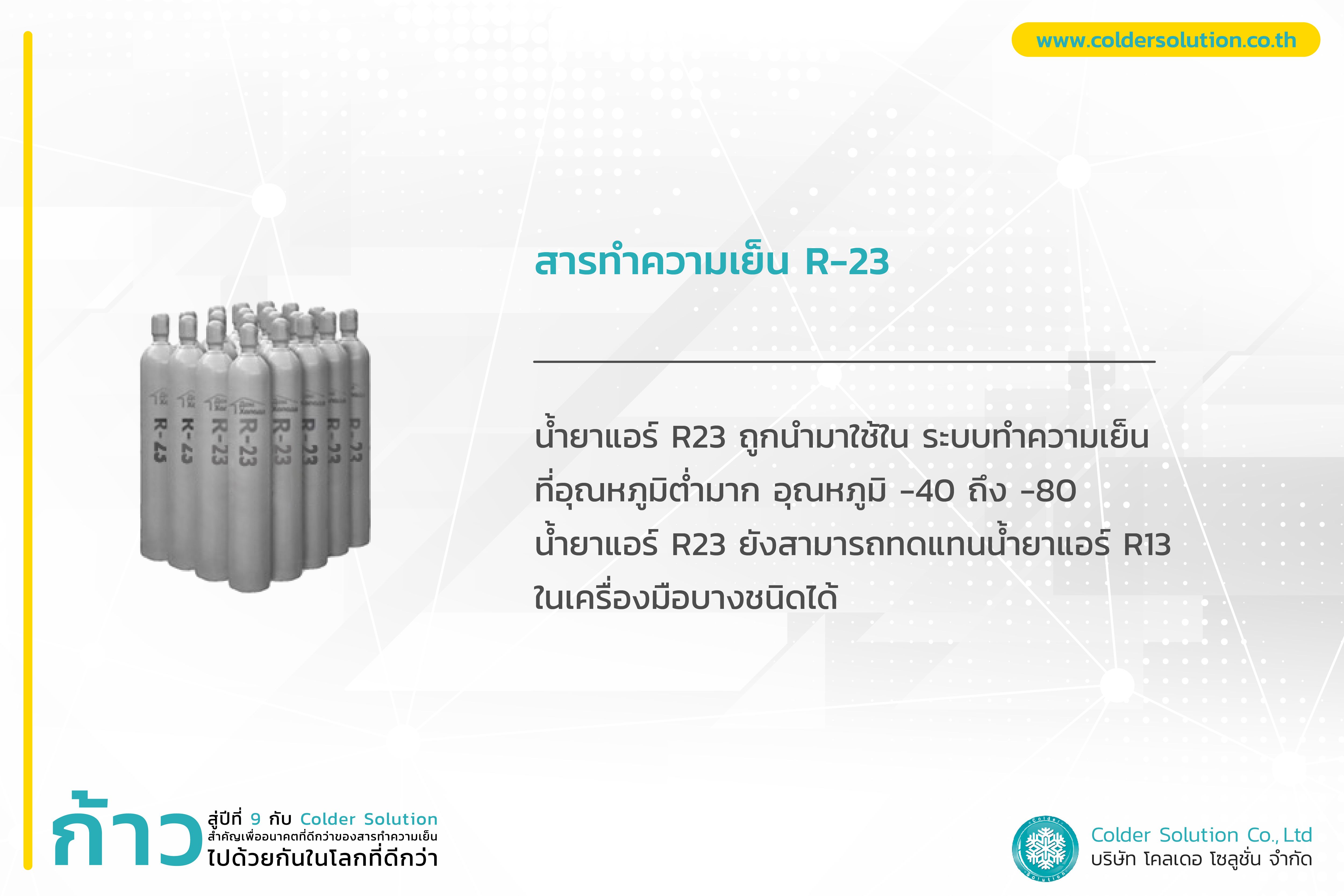
R-23 Refrigerant
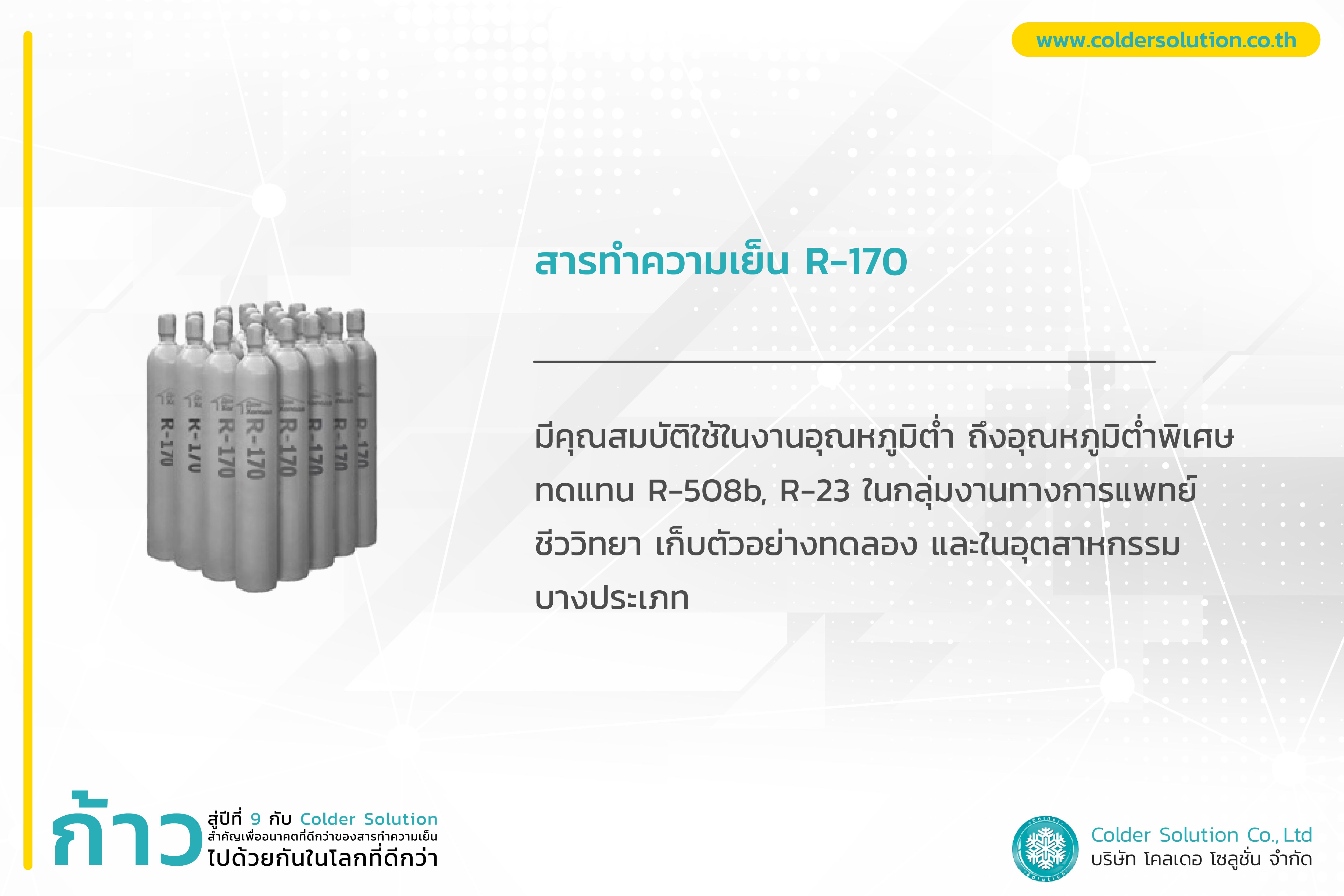
R170 Refrigerant
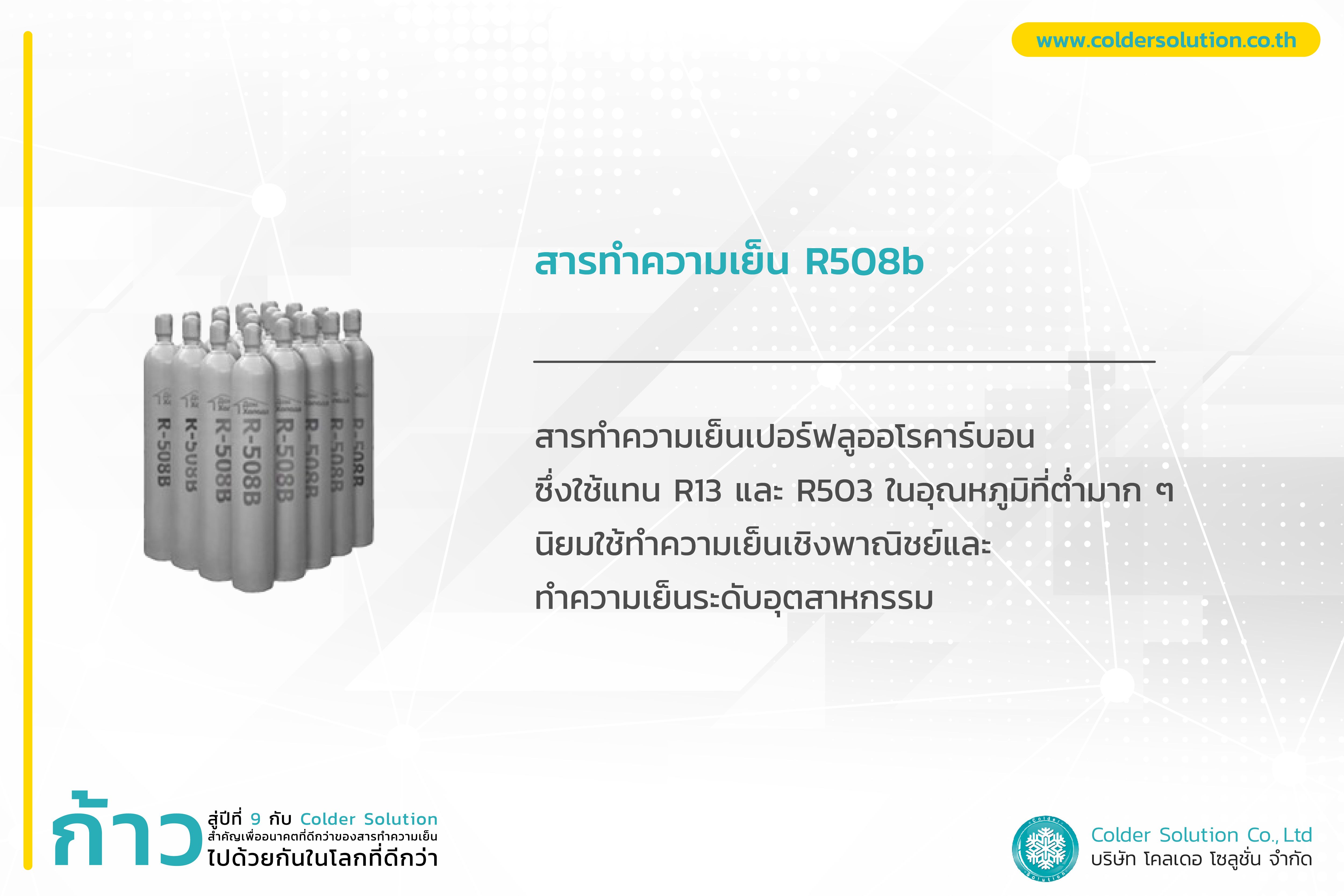
R508B Refrigerant
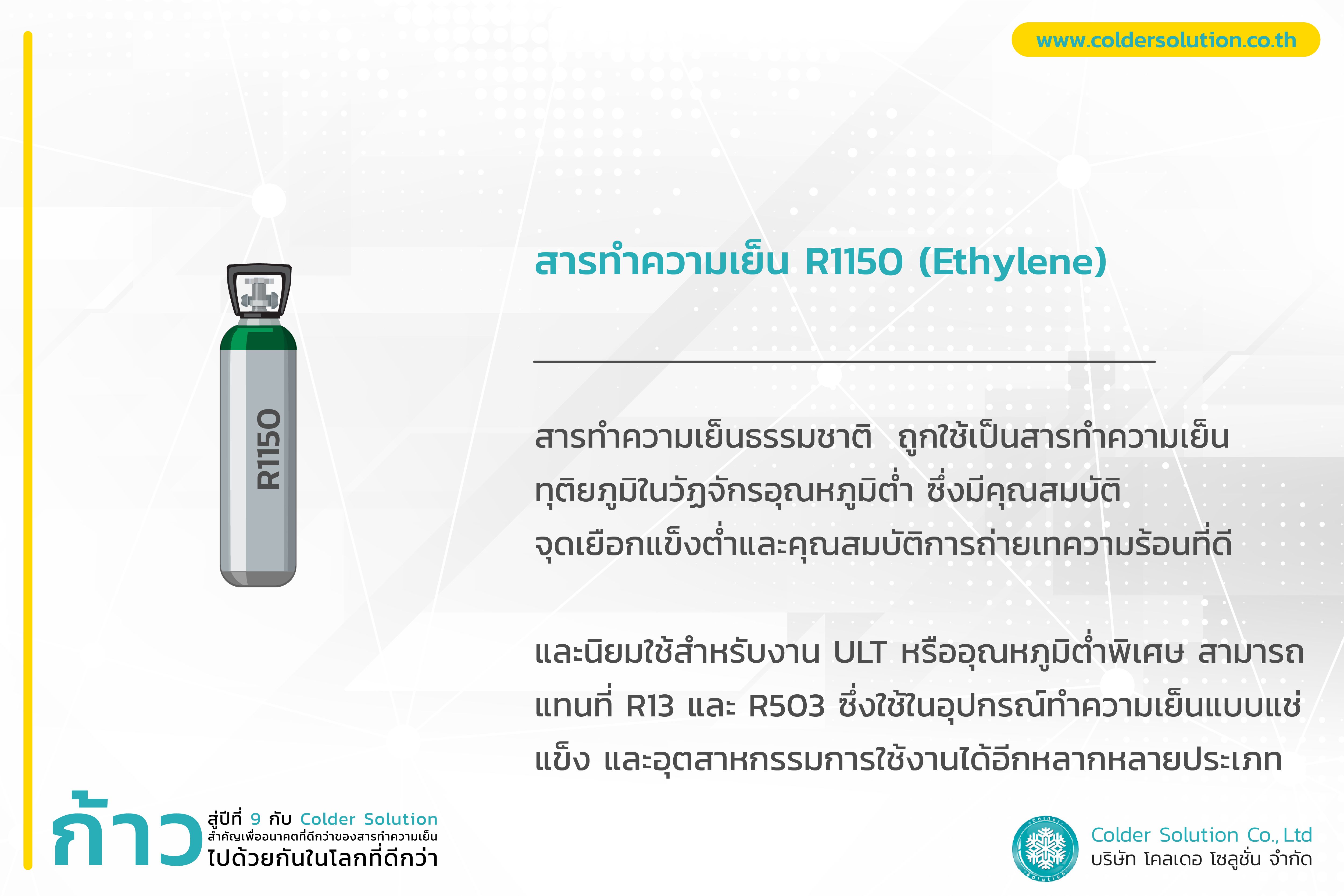
R1150 Refrigerant
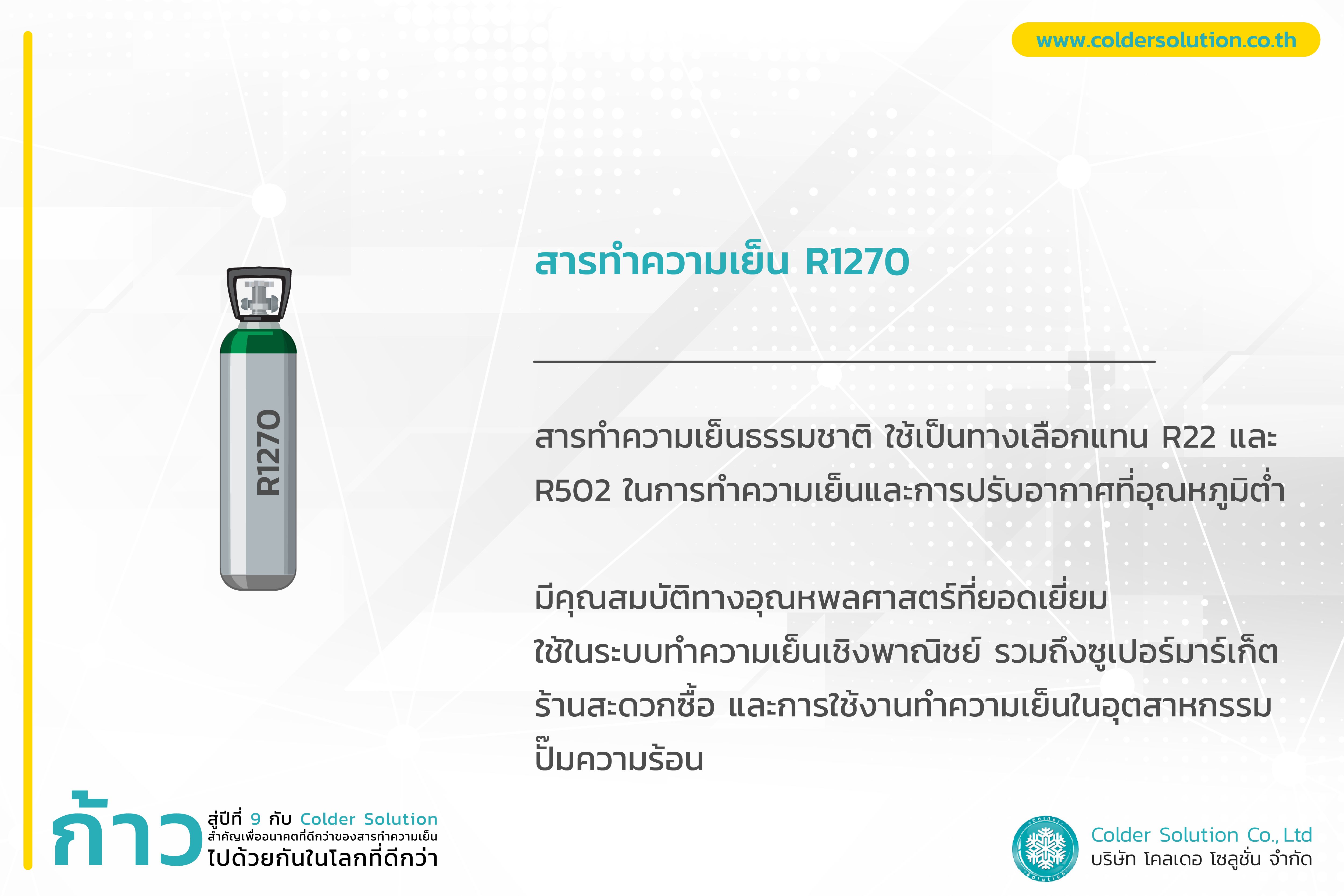
R1270 Refrigerant
Ultra-Low-Temperature Freezing as a Tool for Food Quality
Ultra-low-temperature refrigeration is not required for every food application.
However, for high-value products, specialty seafood, long-distance cold chains, seasonal products, and applications where maintaining texture and product quality is critical, very-low-temperature and rapid-freezing technologies can provide significant advantages.
The value of the technology lies not only in achieving a lower temperature.
It lies in controlling how quickly the product is frozen, how consistently the temperature is maintained, and how effectively the cold chain protects product quality from production through storage and distribution.
Colder Solution
Colder Solution is committed to sourcing refrigerants that balance:
- Performance
- Quality
- Safety
- Cost
- Environmental considerations
We can also source refrigerant products according to specific customer requirements, providing a wider range of options that support changing regulations and evolving refrigeration technologies.
Line ID: @Colder
Email: kantawan.coldersolution@gmail.com